Read Beyond the Cards
Poker is more than math. A strong grasp of odds helps, sure but if you’re not tuned into the human element, you’re leaving money on the table. The best players don’t just calculate; they observe. That twitch before a call, the pause before a raise, the avoidance of eye contact on a big river bet those details matter.
Microexpressions, stress tics, voice shifts, betting speed all can tip you off to what an opponent’s holding or how confident they really are. And once you’re calibrated, their range gets narrower.
This isn’t about reading minds, it’s about developing awareness. Practice noticing how people act when they’re certain vs. when they’re bluffing. Take notes. Play online and in person; compare. A simple baseline can be built just by watching opponents during hands you’re not involved in.
Start with tools like basic facial mapping, posture analysis, and betting pattern tracking. Add in listening skills and a bit of patience, and you’re already ahead of most of the table. Poker favors the observant. If you’re only watching the flop, you’re playing half the game.
Emotional Control Is Your Superpower
Tilt is the silent killer at any poker table. It doesn’t show up on the HUD or your stat tracker, but it wrecks your logic faster than any bad beat. One hand goes sideways, you start chasing losses, and suddenly you’re betting like you’re out for revenge and not the pot. Bad calls, overbluffs, ignoring position all signs your mindset’s running the show, not your strategy.
Resetting mid session takes discipline. Grounding techniques might sound soft, but pros swear by them. Deep breathing between hands. Walking away for a few or reviewing your last hand to switch gears from reactive to reflective. Anything that snaps you out of the spiral matters. Poker is war, but you still need a clear head to win battles.
Self awareness is your defense system. Ego likes to pretend it’s winning, even when it’s not. Players who can admit when they’re off tilt faster rebound stronger. That comes from daily reps tracking your emotional spikes just like your hands. Know what sets you off, know what cools you down, and don’t kid yourself at the table. The best players aren’t just skilled they’re centered.
The Power of Perception
Poker isn’t just about cards it’s about what people think you’re holding. And that starts with your table image. If you’ve been folding tight for an hour, you look disciplined. If you’ve been tossing chips like candy, you look wild. Smart players use that perception to their advantage. It’s not just vanity it’s strategy.
Sometimes, the best move is to act weak when you’re strong. Slouch. Sigh. Mope a little. Make that value bet look like a desperate stab. Other times, it’s about broadcasting false strength quick raises, confident posture when you’re holding air. It’s theatre, and if your performance sells, you get paid.
Then there’s controlled chaos. Unpredictability makes you harder to read and harder to trap. Change rhythms. Flip your habits. Raise light, fold heavy, and leave opponents guessing. When people can’t pin your style, they hesitate. That hesitation? It’s as valuable as aces.
Table image isn’t fixed. It’s fluid. Build one that suits your game, then flip it whenever it helps you take the pot.
Timing and Psychology Go Hand in Hand
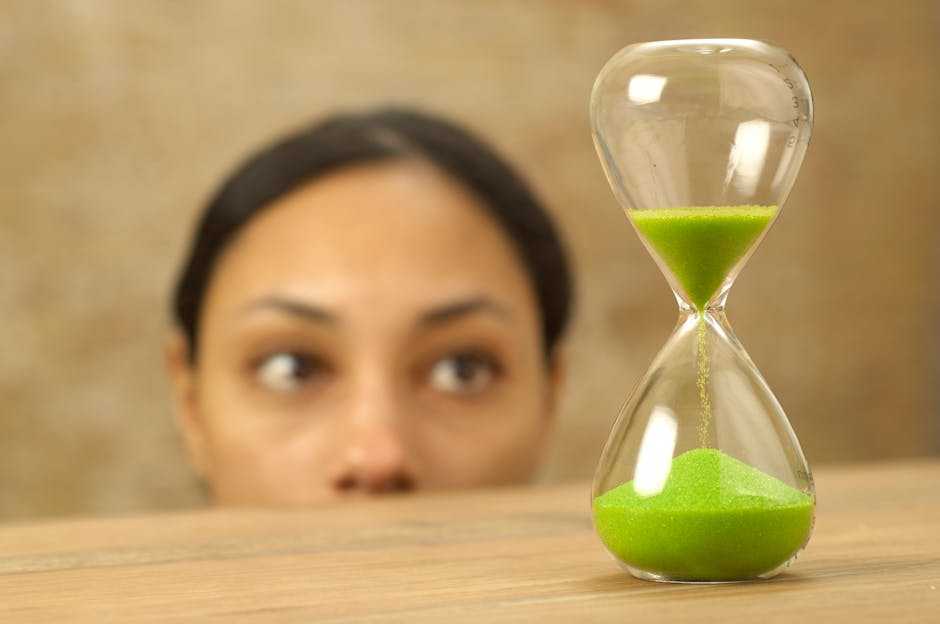
Timing tells don’t get the love they deserve, even though they’re often more honest than what a player says or does with their chips. The speed with which someone checks, bets, or calls can leak information. Fast actions often mean strength or automatic plays. Hesitation can signal uncertainty or sometimes an act of reverse psychology. The trick is spotting which is which.
Smart players don’t just observe timing tells they weaponize them. They vary their rhythm. They might pause with the nuts, act fast on a weak hand, or develop patterns just to break them later. It’s all about making opponents uncomfortable. Predictability is a liability at any table.
If you want to level up, train your focus on timing shifts in others. Are they suddenly faster under pressure? Do they always pause before bluffing? Make mental notes. Over time, you’ll start clocking these shifts instinctively, and they’ll give you a genuine edge. Poker isn’t just played with cards it’s played in the cracks between seconds.
Master the Art of the Bluff But with Discipline
Bluffing isn’t about lying. It’s about controlling the story the other players are telling themselves. At the table, your behavior, timing, and betting patterns create a narrative. Misdirection works best when it feels organic when your story fits the board and your past bets. That’s where psychology comes in. Humans are wired to look for patterns and meaning, even when it’s not really there. Skilled players exploit this.
Deception in poker plays on cognitive biases. The most common? Confirmation bias opponents will see what they want to see. If they’re looking for weakness, act just strong enough to keep the bait dangling. If they’re overconfident, feed it. The key is being aware of what story you’re selling and who’s buying.
That said, ego is the biggest leak in bluffing. Bluffing because you’re tilted, trying to prove a point, or just desperate to act can backfire fast. Smart bluffing is calculated. It fits the dynamics of the hand, the history at the table, and your image. If none of those line up, hold off.
Want a deeper look at high level bluffing and classic plays that changed games? Check out Bluffing in Poker.
Mental Stamina = Long Term Success
Poker isn’t just about sharp reads and cold bluffs. It’s a grind. And just like muscle fatigue slows down athletes, cognitive fatigue trips up even the smartest players. When your brain’s tired, you’ll misread the board, forget betting history, or call when you meant to fold. These aren’t bad luck they’re mental slips.
The fix isn’t to just power through it. You need micro recoveries. Think structured breaks between major hands, deep breathing after bad beats, or even a quick walk away from the table when stakes allow. Short pauses protect long term focus. No badge of honor for burning out.
Building a focus routine matters too. Start before you play: hydrate, clear distractions, get centered. At the table, limit caffeine overload and noise. After sessions, decompress fully your brain needs a clean reset for the next one. stamina doesn’t mean being robotic. It means sharpening your edge and keeping it that way, hand after hand.
Wrap Up Strategies That Stick
Winning in poker isn’t just about making smart bets; it’s about understanding your own psychological footprint at the table. The best players don’t just analyze the cards or their opponents they analyze themselves. That starts with integrating psychology directly into your betting patterns. Notice when your aggression spikes. Know if you’re calling from confidence or chasing a loss. The idea is to pair each decision with a mental checkpoint.
Start tracking what you’re feeling when you make key moves both the ones that work and the ones that backfire. Were you bluffing because you sensed weakness across the table, or because you were tilted from the previous hand? Patterns reveal themselves fast when you record not just the play, but the emotion behind it.
Use these insights to form a mental feedback loop. After each session, review your reads and write down what you got right and where your mental game cracked. Over time, you’ll start to spot trends in your own thinking. That’s your edge. Adjusting your mindset with as much discipline as your technique turns good instincts into something dependable.
Explore more practical tactics on advanced psychological maneuvers in our expert guide to bluffing in poker.