Myth 1: The Dealer Is “Due” for a Bust
Walk into a casino, hang around the blackjack tables, and you’re bound to hear someone say it: “The dealer’s due for a bust.” It sounds like strategy, but it’s really superstition dressed up as logic and the house quietly cheers when you buy into it.
Casinos love this belief because it pushes players to make bad decisions. When you think the dealer is “due,” you’re more likely to stand on weak hands or make reckless bets, assuming luck is about to swing your way. But blackjack doesn’t care about momentum. Probability resets with every hand. Each card deal is independent of the last.
The hard math? A dealer has around a 28% chance to bust on any given hand, according to standard six deck blackjack rules. That percentage doesn’t get better just because the last few rounds didn’t go your way. The most common dealer outcomes are landing somewhere between 17 and 20, which is why playing by the book not on a cosmic hunch keeps you in the game longer.
Believing a bust is “due” is easy. Understanding the odds and staying disciplined? That’s where the edge lies.
Myth 2: Always Assume the Dealer Has a 10
This idea came straight out of old school casino logic: when in doubt, assume the dealer’s face down card is a 10. Why? Because there are more ten value cards (10, J, Q, K) in the deck than any other number. On paper, it seems cautious. In practice, it’s flawed math.
Yes, there are 16 ten value cards in a 52 card deck. But they’re still just about 30% of the deck not a majority. This assumption leads players into overly defensive choices they stand when they should hit, they avoid doubling down, or they refuse to split strong hands because they’re bracing for the worst.
The 10 assumption can help in very narrow cases, like calculating the odds for hitting or standing in obvious hands. But when applied blindly, it wrecks your odds. Good blackjack strategy is rooted in understanding card distributions, not guesswork or fear. Play based on what’s likely not what feels safe. The edge comes from acting on the math, not superstition.
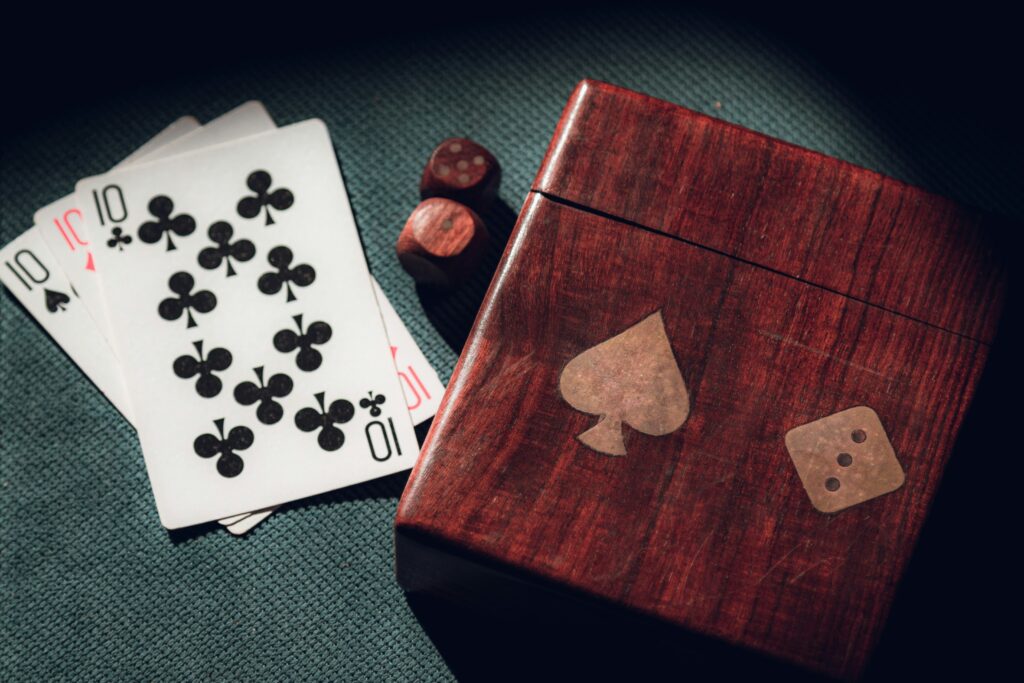
Myth 3: Never Split Your 10s
You’ve got a pair of 10s. It feels solid strong, safe. Most casual players lock it in. Why mess with a good thing, right? That mindset is what pros call “protecting a good hand,” and it’s more emotional than logical. Holding 20 feels like winning, and nobody wants to throw that away chasing a maybe.
But blackjack isn’t about feelings. It’s about edges. And in very specific situations against weak dealer upcards like 5 or 6 splitting 10s can push your advantage even higher. You’re not giving up a winning hand; you’re trying to turn one winning hand into two.
Pro players use these moments surgically. They’re not splitting every time. They’re reading the shoe, clocking the count, and calculating the odds that the dealer busts. When the numbers line up, it’s not a gamble it’s exploitation.
So should you start splitting 10s constantly? Nope. But understand the myth: the fear of losing a good hand often masks a missed opportunity. Strategy rooted in math, not nerves is what wins long term.
Myth 4: It’s All About Luck

This one sticks around because it’s convenient. Blaming luck takes the pressure off. But in blackjack, that mentality costs you fast. Yes, blackjack is a game that includes chance. The cards play their role. But that’s only part of the story. The bulk of what separates winners from losers isn’t luck it’s choices. And over time, the numbers prove it.
Strategic decisions when to hit, stand, double, or split impact your expected value at every hand. Stick to basic strategy, and you’re cutting the house edge to less than 1%. Deviate based on gut feel or superstition, and you’re just giving money away. Unlike roulette or pure luck games, blackjack gives you influence. The skill comes in playing that influence right, hand after hand.
Winning isn’t about being lucky once. It’s about being smart over and over again. For a full breakdown of how skill dominates in the long run, check out Luck vs Skill in Blackjack.
Myth 5: Card Counting Is Illegal
The Truth About Legality
One of the most persistent and misleading beliefs around blackjack is that card counting is illegal. In reality:
Card counting is perfectly legal in most jurisdictions
You’re simply using your brain to keep track of the cards played
No external devices or cheating methods are involved
However, just because it’s legal doesn’t mean it’s welcome.
Why Casinos Push Back
Casinos aren’t fans of card counters, and for good reason:
Effective card counters can gain a small but real edge over the house
Casinos rely on their statistical edge to turn profits
When they detect card counting, they reserve the right to ask the player to leave or ban them from the table
This isn’t about legality it’s about protecting their bottom line.
What It Really Takes to Succeed
Casual players often overestimate how easy card counting is. In truth:
It requires intense focus and mental discipline
You must keep an accurate count while blending in with other players
Advanced knowledge of betting spreads and deck penetration is essential
Mistakes can nullify the small edge you’re trying to gain
Card counting isn’t a quick path to riches. It’s a specialized skill that demands study, practice, and composure under pressure.
Bottom line: Card counting isn’t illegal but doing it well enough to matter takes more effort than most players expect.
Myth 6: More Players = Worse Odds
The idea that a crowded blackjack table lowers your chances of winning is one of the most persistent misconceptions in the game. While it might feel like a slower game puts you at a disadvantage, the real math tells a different story.
What Slower Tables Actually Do
A full table affects the pace of play not the probability of winning.
More players mean fewer hands per hour.
Fewer hands per hour = less money at risk against the house edge.
This can actually help conserve your bankroll over time.
Breaking the Myth of Diminished Odds
Despite what some believe, your odds of winning a single hand are not impacted by how many people are at the table.
The cards dealt to others don’t change the underlying probabilities of your own decisions.
If anything, more hands in play could provide useful insight into card distribution.
Smart Play Beats Fast Play
Many new players love faster heads up play thinking they’ll win more and faster. But fast games often mean:
Making more emotionally driven decisions
Losing more quickly to the house edge over time
Instead, leverage a slower table to:
Take your time with each decision
Apply basic strategy more accurately
Observe trends in card distribution (without relying on guesswork)
Bottom Line
The number of players may change the rhythm of the game, but it doesn’t tilt the odds. Pace yourself, stick to solid strategy, and remember: quality decisions beat quick hands every time.
Myth 7: You Can Beat the Game With a “System”
Betting systems like the Martingale promise a kind of financial judo double your bet after every loss, and eventually you’ll win it all back plus a little extra. Sounds clean. But it’s a trap. These systems don’t change the underlying math. Blackjack still has a built in house edge that doesn’t care how clever your bet pattern seems.
The root issue? You can run out of money or hit the table limit long before the system pays off. Casinos know this. That’s why they allow these strategies. They’re psychological bait. They encourage overconfidence without actually threatening the house advantage.
What works instead is less flashy: learn basic strategy cold. Understand when to hit, stand, split, double. Avoid impulse plays. Track your own decisions. It’s not glamorous, but it’s effective. That’s where the real edge lives: in clean execution, not chasing magic formulas.
Final Thought
Believing in blackjack myths doesn’t just make the game foggier it costs real money. Trusting flawed ideas like “the dealer is due” or thinking your gut knows better than statistics means you’re playing in the dark. And when the house already has an edge, you can’t afford to give away more ground with bad decisions.
Skill matters. The more you understand the rules beneath the surface, the better you play. That’s not about being a genius. It’s about being sharp, staying strategic, and not falling for stories that sound good but sink your odds.
Want to level up your game? Dive deeper into blackjack mastery here: Luck vs Skill in Blackjack