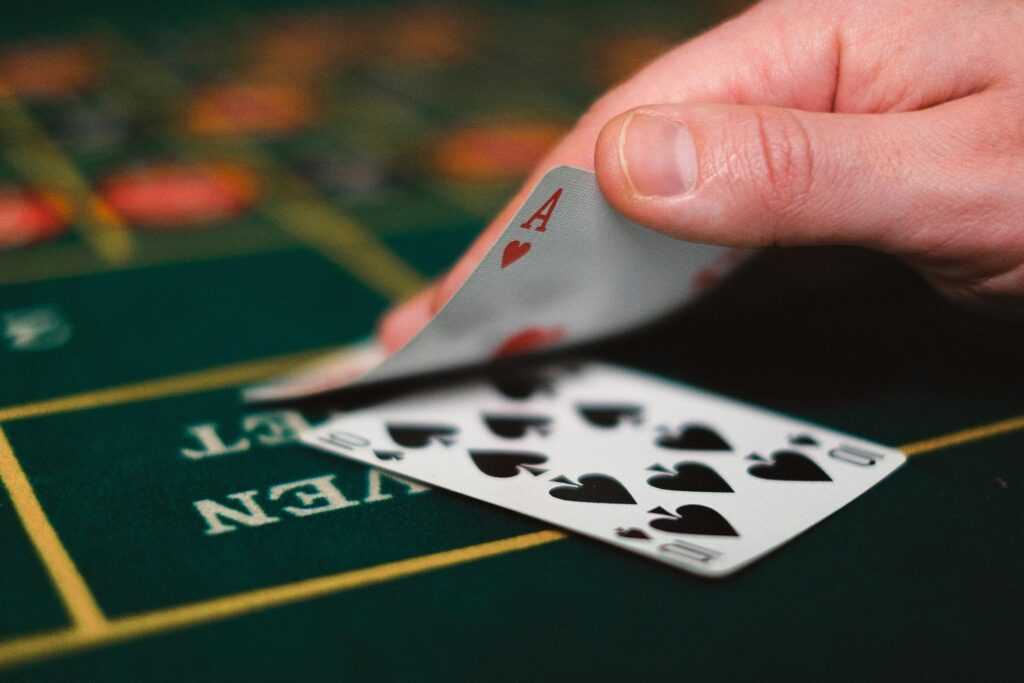
The blinking lights and repetitive sound of chips make players lose touch with reality on the casino floor. It’s frozen and represented by intricate mathematical problems that aren’t readily visible.
Although standard table games like Blackjack and Baccarat provide some of the best chances for a bettor. The little circular betting stations that surround the main bets are a different story. They don’t offer the same favorable odds. These side bets can provide huge returns on small bets, making a planned game a volatile bet. It’s a wide statistical edge in favor of the house.
The High Price Paid for Poker Derivatives
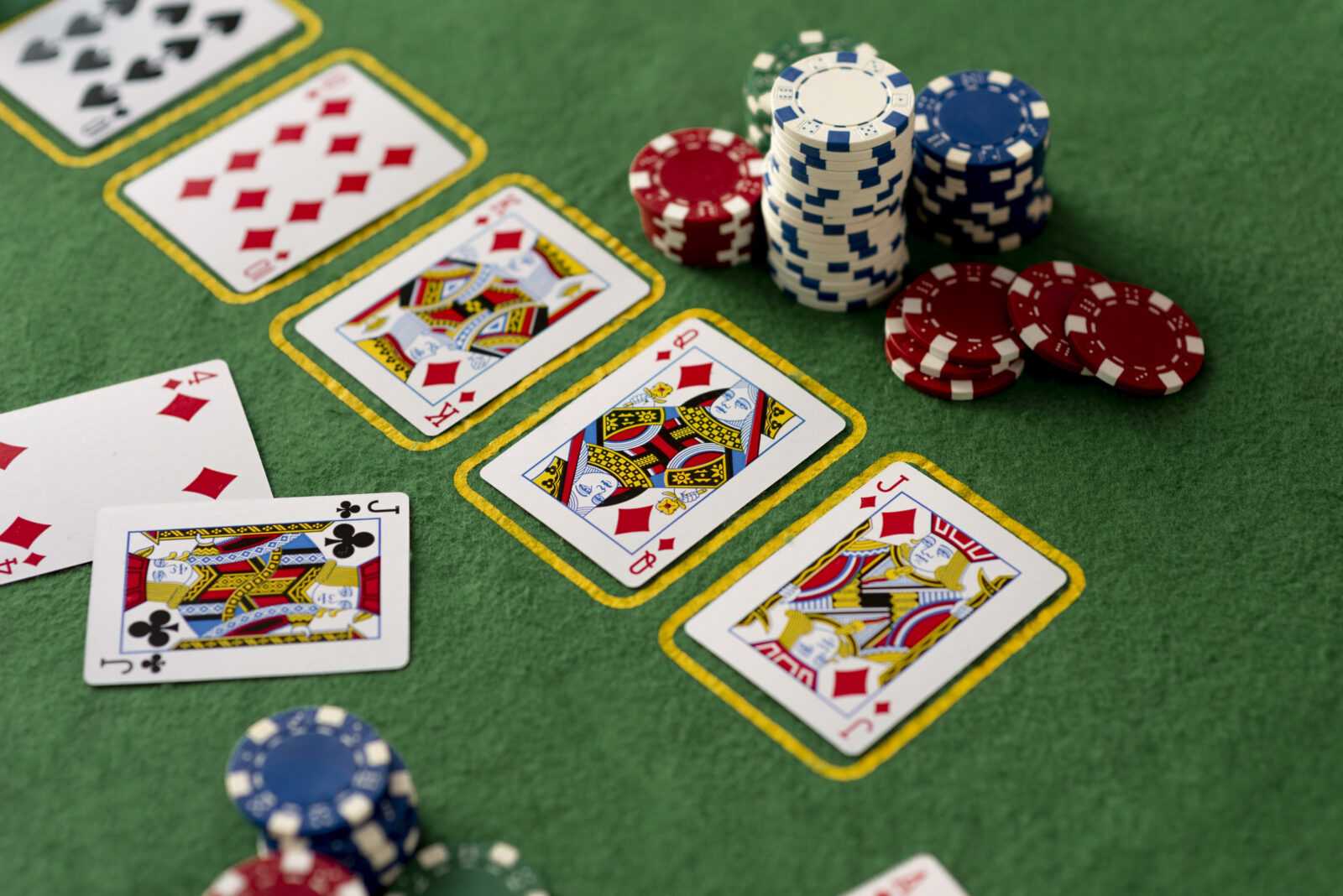
Three-Card Poker is appealing to those who genuinely want a combination of both strategy and luck. It can easily become the crown jewel of the table game set. The single-player game has a fair house advantage, which is typically around 2-3%, depending on the pay table and gameplay. The Pair Plus bet, however, changes the mathematical world dramatically.
Players often chase the high 40-to-1 payouts for a straight flush. But understanding why 3 card poker side bets usually aren’t worth the risk is vital. For long-term bankroll preservation, the house edge on these specific wagers can easily exceed 6%. This massive outburst of cash depletes much more quickly than the base game. Friendly competition is a costly affair.
Blackjack Side Bets and the Cost of Perfect Pairs
Blackjack is the benchmark of any serious gambler since the house advantage drops. It’s reduced to less than 0.5% in ideal conditions. However, adding wagers such as Perfect Pairs or 21+3 breaks the balance. The result is that the player is disrupted.
A Perfect Pairs bet profits when cards 1 and 2 obtain identical scores. The house typically advances between 2 and 11%, depending on decks in the shoe. Similarly, the 21+3 bet utilizes two cards and the dealer’s up-card to form a poker hand. It creates a house edge of 3% to 4%. These choices annul the advantage of learning the standard strategy.
Baccarat Dragon Bonus Disguises Volatility as Opportunity
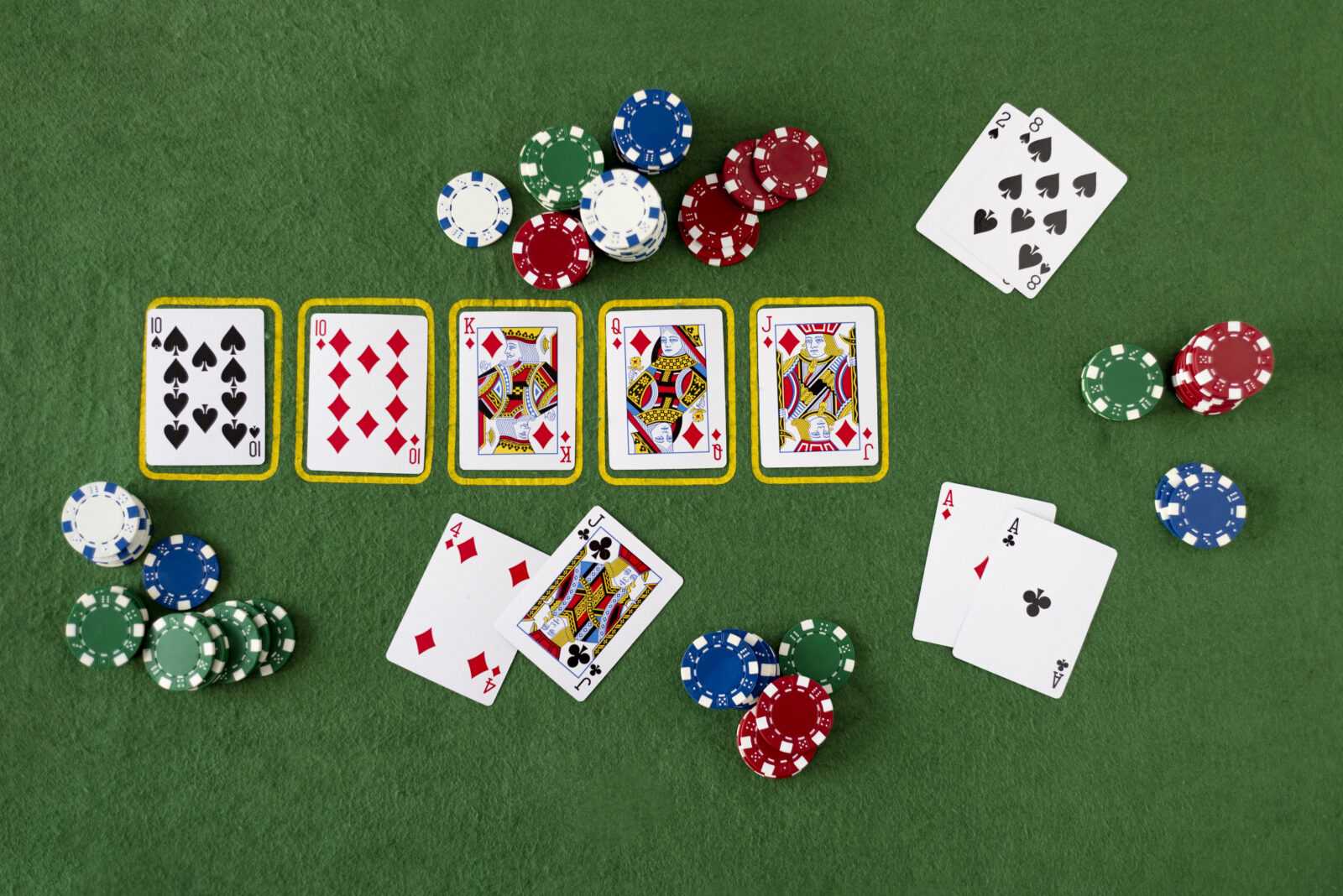
High rollers prefer baccarat, where the house advantage on the bet with the Banker lies at a remarkably low 1.06%. To make this simple game more interesting, casinos added the Dragon Bonus, which pays based on the margin of victory. Though a nine-point non-natural draw payout at 30-to-1 would appear appealing, the arithmetic is punishing.
The house edge on the Banker Dragon Bonus is typically more or less 9.37%. It’s standing at about 2.65% on the Player Dragon Bonus. This side bet introduces significant volatility to a game that’s conventionally valued for its stability and low cost of play.
The Hard Ways to Lose Money at the Craps Table
The craps layout has some of the worst bets in the entire casino at its center. These are known as proposition bets. An average Pass Line bet will provide nothing more than a 1.41% edge to the casino on the gaming floor. It’s a reasonable bet where players stand decent chances of winning on hot rolls.
Conversely, betting on Any 7 is a one-roll bet that gives the house a substantial 16.67% advantage. Even the widely played Hard Ways bets have a house advantage of between 9% and 11%. These require a pair to be rolled before a seven appears. These center-table bets serve as profit centers for the casino, rather than being a strategic choice for the player.
The Psychology Behind Probability Neglect
A cognitive bias called probability neglect often affects gamblers who bet on side bets. This effect is observed when an individual is preoccupied with the potential payout. They frequently overlook the slight chance of winning in the lottery. Side betting capitalizes on this trend by offering payoffs similar to a jackpot. They can have odds of 100-to-1 or utilize progressive meters.
The human brain prioritizes the pleasure of the big reward case over the statistical truth of the most likely case. Such a jackpot mentality promotes the use of table games, often replacing slot machine games. Players don’t consider them to be skill or strategy-based games.
Calculating the Long-Term Cost to the Bankroll
The financial implications of these bets can be well understood by examining the per-hour expenses to the gamer. Suppose that a gamer makes a bet of $25 on Blackjack and a side bet of $5 added every hand. A wager of $5 against a house edge of 10% can result in a loss of $30. The player incurs that amount over the 60 hands.
Amazingly, this side bet can be even more expensive on an hourly basis than the primary $25 bet. That’s around $7.50 in expected losses given the reduced house advantage. The small $5 chip is the primary source of the bankroll leak.
The House Always Wins the Side Hustle
Side wagers are used as an entertainment charge, not a strategic investment for the player. They’re designed to give a casino a higher edge in games that can be beaten. This applies to games with low risk for the skilled player.
There’s an adrenaline rush when hitting a bonus payout. However, the mathematics are such that the bets empty a bank deposit much quicker than regular play. Strategists interested in long-term payoffs and high levels of profit tend not to fall into these traps. Instead, they use their chips where the math is more favorable, and the playing environment is fairer.