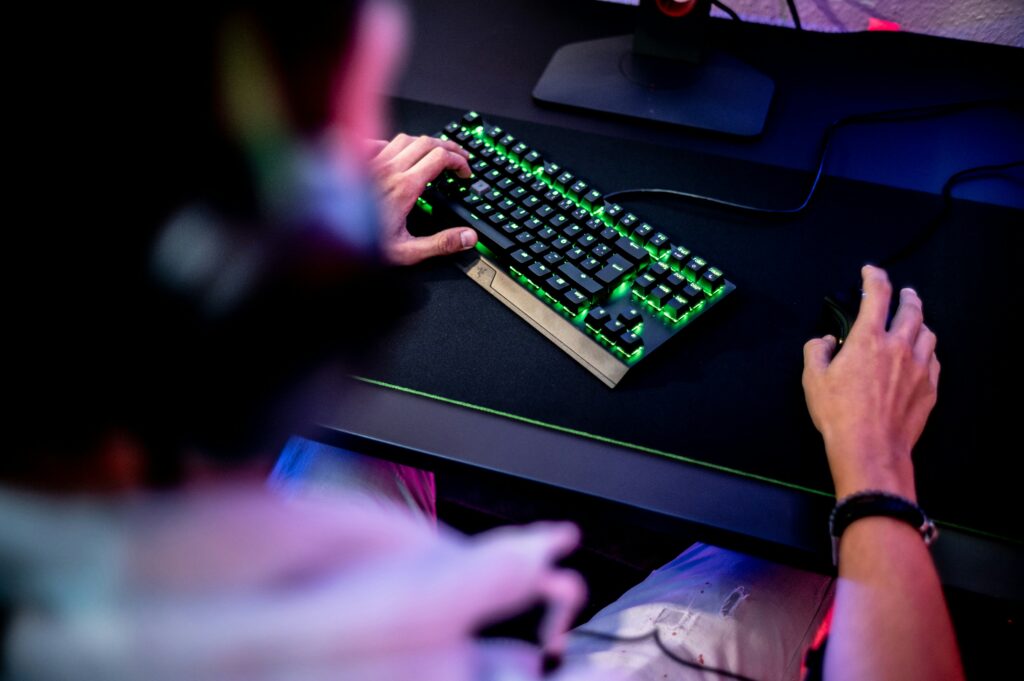
Online entertainment, from streaming to social media and interactive games, is a huge and ever-changing world. That’s why it’s so important to set healthy boundaries with technology for kids. While it offers connection, fun, and learning, its always-on nature means we need to think carefully about how we use it. Making smart choices isn’t about stopping the fun; it’s about making sure our digital habits actually help our overall well-being, instead of taking away from it.
Setting Healthy Digital Boundaries
The first step to a better relationship with online entertainment is realizing you’re in charge. The idea is to use these platforms on purpose, not to let them use you. This starts with creating digital boundaries, which are personal rules you set for managing your time and attention.
Begin by figuring out what triggers you. Do you scroll through social media without thinking when you’re bored? Do you stay up too late watching just one more episode? Once you know your habits, you can make practical rules to change them.
- Set “offline” times. Pick specific times of day, like the first hour after you wake up or the hour before bed, to be completely tech-free. This can really help your sleep and how focused you are in the morning.
- Use built-in tools. Most smartphones have features that track your screen time and let you set daily limits for certain apps. Use them. Seeing that you spent three hours on one app can be a strong reason to make a change.
- Create tech-free areas. Make the dinner table or your bedroom a no-phone zone. This helps you be more present and have better face-to-face talks with family or partners.
For parents and guardians, teaching and showing these habits is vital. Think of setting internet boundaries as giving kids the skills they need for a digital world, much like you’d teach them to look both ways before crossing the street.
Understanding Online Platforms
Not all online platforms are the same. A streaming service works differently from a social media network, and both are distinct from an online gaming site. Knowing how each platform you use makes money is key to making good choices. Many “free” platforms earn money by selling your attention to advertisers, using clever algorithms to keep you scrolling, watching, or clicking.
This is especially true for online gaming and betting. These platforms are designed to be very engaging, often using unpredictable rewards to keep players coming back. It’s important to understand the rules and risks involved. For example, new technologies have brought options like crypto online casinos or crypto gambling websites, which have different financial setups and regulations than traditional sites. Knowing what you’re getting into, whether it’s a simple mobile game with in-app purchases or a more complex online platform, is essential.
Before signing up for any new service, take a moment to ask yourself a few questions:
- How does this platform make money?
- What information am I sharing, and how is it being used?
- Are there age limits, and why are they there?
- What tools does the platform offer to help me manage my time or spending?
Reading the terms of service might be boring, but understanding the basics of how the platform works puts you in a much stronger position. It’s about moving from being a passive consumer to an active, informed user. This awareness helps you see when a platform is trying to use your psychological tendencies for its own benefit.
Exploring Digital Gaming Options
Digital gaming often gets a bad reputation, but it’s a very diverse field with options that can offer real benefits. The trick is to pick games that match your goals and interests, instead of just playing whatever is being pushed the hardest. Gaming can be a very positive and enriching form of entertainment when you approach it with purpose.
Think about what you want from the experience.
- For social connection: Massively Multiplayer Online Games (MMOs) or cooperative titles like Stardew Valley and Overcooked let you connect and work with friends, whether they live nearby or far away. These shared experiences can build and strengthen relationships.
- For mental challenge: Strategy games, puzzle games, and logic-based challenges can improve your problem-solving skills and critical thinking. Games from classic chess to complex city-builders require planning, foresight, and adaptability.
- For creativity and relaxation: Sandbox games like Minecraft offer endless creative freedom, while “cozy games” provide a relaxing, low-pressure environment to unwind and de-stress. These can be a form of digital mindfulness.
- For physical activity: Exergaming, using platforms like the Nintendo Switch’s Ring Fit Adventure or VR fitness apps, turns exercise into a fun and engaging activity. It helps you stay active without feeling like a chore.
Of course, it’s also important to be aware of the less positive parts of the gaming industry, such as “loot boxes” and aggressive microtransaction models. These are designed to encourage repeated spending with uncertain outcomes. Choosing games that respect your time and money helps you enjoy all the good parts of this dynamic hobby without the downsides.
Prioritizing Your Well-being
Ultimately, managing your online entertainment is about protecting and improving your well-being. The digital choices we make truly affect our mental and physical health. Constant notifications can create low-level anxiety, while carefully curated social media feeds can lead to feelings of not being good enough or comparing yourself to others.
It’s vital to check in with yourself regularly. After gaming, scrolling, or streaming, take a moment to notice how you feel. Do you feel energized, connected, and relaxed? Or do you feel drained, anxious, or irritable? This simple self-assessment is your most powerful tool. Your feelings will tell you if a digital habit is helping you or hurting you.
The World Health Organization has pointed out how digital choices shape health, especially for young people, affecting everything from how much they move to their mental state. Simple practices can make a huge difference. For example, follow the 20-20-20 rule to prevent eye strain: every 20 minutes, look at something 20 feet away for at least 20 seconds. Make a conscious effort to stand up, stretch, and walk around at least once an hour.
Online entertainment should be a lively and enjoyable part of a balanced life, not the only part. Make sure you’re also spending time on offline hobbies, in-person interactions, and physical activity. The most fulfilling life is one that combines the best of both the digital and physical worlds.
Making smart choices online is an ongoing practice, not a one-time decision. By setting boundaries, understanding the platforms you use, and regularly checking in with your own well-being, you can make sure your digital life stays a source of joy and connection.